Roofs do not last forever. Knowing the warning signs of an aging roof helps you plan for replacement before a small problem becomes a major water intrusion event. Here is what to look for when assessing whether your roof has reached the end of its serviceable life.
Shingle Granule Loss
As asphalt shingles age, they shed the protective ceramic granules that shield the underlying asphalt from UV damage. If you notice granules collecting in your gutters or at the base of downspouts, your shingles are deteriorating. Bare patches on the roof surface where granules have worn away indicate advanced aging.
Curling, Cracking, and Buckling Shingles
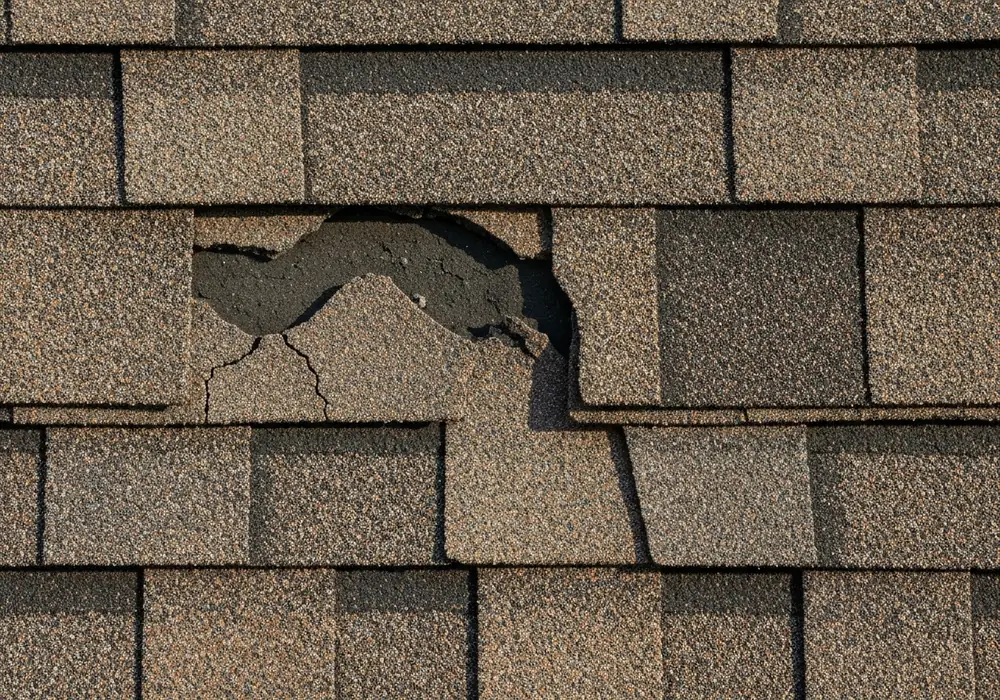
Shingles that curl upward at the edges, crack across the surface, or buckle in the middle have lost their flexibility and waterproofing ability. These defects allow water to penetrate beneath the shingle, compromising the underlayment and roof decking below. Once curling is widespread across a roof slope, spot repairs are rarely effective.
Interior Stains and Attic Moisture
Brown or yellow stains on ceilings and walls are signs of active water intrusion. If you notice a musty smell in the attic, visible mold growth on rafters, or damp insulation, your roof may be allowing moisture to enter the home. These symptoms warrant an immediate professional inspection.
Age of Your Current Roof
Architectural asphalt shingles typically last 30 to 50 years. Cedar shake lasts approximately 30 years. Standing seam metal roofing can exceed 50 years. Natural slate and clay tile can last 100 years or more. If your roof is approaching or past these milestones, a professional assessment can determine whether replacement is needed.
Key Takeaway
Do not wait for an active leak to assess your roof. Granule loss, curling shingles, and interior stains are early warning signs that replacement may be needed.